Problem-aware: using story to overcome skepticism
And selling a transformation with story

You’ve probably heard of the Wall Street Journal article from December last year that says:
Corporate America’s latest hot job is also one of the oldest in history: storyteller.
I think this push to story in selling is for a number of reasons, including that badly created AI content usually misses a point of view, opinion, or person at the center.
We’re craving character, as we should. Story is how we have always modeled making difficult choices. Without it as a central part of decision making, we can read all the informational or finger-wagging content we want (or is foisted upon us), but we will remain rudderless, struggling to know what to do.
And if we don’t know what to do, we won’t take action.
Direct response marketers traditionally turn their noses up at story, worried that it adds bloat and takes away from the conversion aspects of a sales funnel. But I think what’s crucial here is that you could get away with no story at the bottom of a funnel, the final place to click, only when story had been used at many points further up the funnel.
We’re slowly stripping story out from all levels of the funnel and it’s leaving a sanitized experience at the sales page.
As always, I take insights on how to sell from the world of story, particularly podcasts on scriptwriting. This week’s come from a Scriptnotes roundup episode on endings.
Selling to a problem-aware audience
Your audience has tried a variety of solutions and are frustrated and skeptical. If you tell them your solution will work, they are immediately on the defensive, suspicious of just another thing that they don’t believe will work for them specifically.
And this is why classic endings of story can work so well for this audience. Usually at the end of a story, a character takes a leap of faith and does something that they could not have done at the beginning. Think Luke Skywalker changing from scared farm boy who initially wouldn’t go with Obi-Wan to Alderaan to risking his life by flying into the Death Star.
Usually during the story, the character learns things about themselves and the world that lets them see themselves differently. These learning experiences are what allows them to take a leap of faith and attempt a thing (successfully) that they could never have at the beginning.
You need your audience to take a leap of faith and try this new thing. If you show a character taking a leap and succeeding then you are modeling a successful payoff. Now instead of telling your audience that your solution will work if they try it and hoping you can bypass their skepticism through logic, you leave them to come to the conclusion it is worth trying.
When you’re selling a transformation that you promise will ‘stick’
Problem-aware audiences often have another problem; they have tried solutions before that worked for a while, until they didn’t.
Think the 17th planning system you bought that you were sure would organize your life but you abandoned after just a few weeks (I am feeling personally attacked as I write this).
For this audience, the issue is not getting them to believe your solution will work, it’s getting them to believe it will ‘stick’ and their life will be permanently transformed.
And this is why learning about the denouement is crucial. It is the part of the story that happens after the plot has been tied up.
In Inception it is not when they succeed in planting the idea in Robert’s mind, it is when Dom walks away from the spinning top without knowing if it will fall or not. In the Lion King, it is not Simba winning the fight with Scar, but restoring the Pride Lands
Often in a story, the denouement is set a few months or even years later. This is to show that the change in the main character, that allows them to do the thing at the end that they couldn’t do at the beginning, has ‘stuck.’
Simba hasn’t just won the title of King, he also has taken on the responsibility as leader for his lands and subjects. In Star Wars, it is not just that Luke saved that day, it is that the rebel cause can now continue, as we see in the medal ceremony.
If you want to show your audience that your solution will ‘stick,’ you can’t just show it solving the problem on day 1, you need to show what happens after that.
And once again, modeling that success leaves your audience to imagine how it will feel to finally have a solution that sticks long term.
*No selling from me, or things to read or watch or listen to.
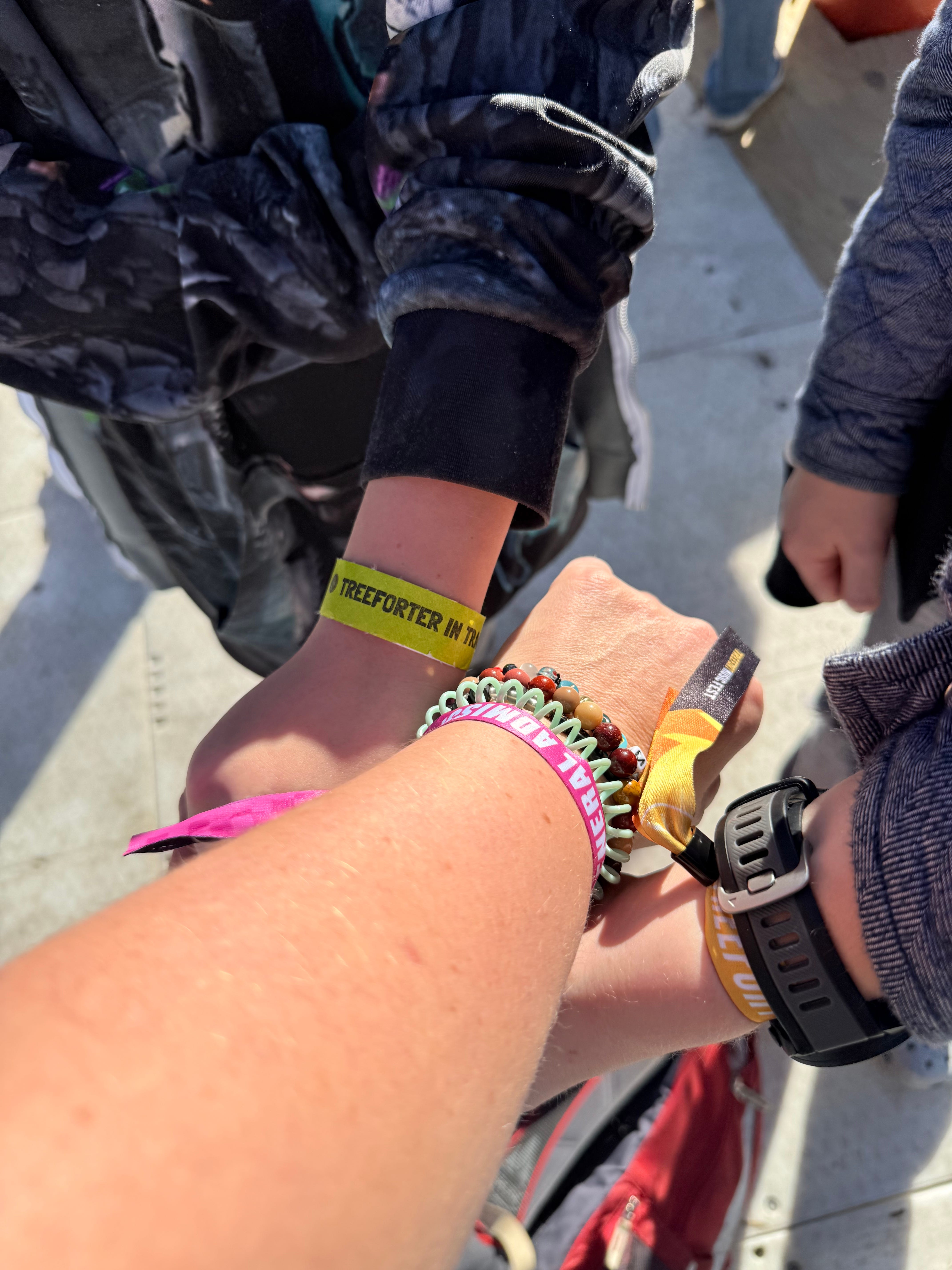
Because the things I’m listening to this week are a huge number of bands at Treefort Music Festival which is running in my hometown of Boise this week!